Leading Advantages of Deciding On Light Weight Aluminum Factory Parts for Industrial Applications
Aluminum foundry parts present several benefits for commercial applications. Their light-weight yet robust nature improves efficiency in handling and installation. In addition, aluminum's remarkable rust resistance adds to its resilience, which is necessary for minimizing upkeep expenses in time. With its versatile layout capabilities and outstanding machinability, aluminum enables for the creation of customized parts. Precision aluminum casting. These attributes make aluminum an engaging selection, but the discussion does not finish here. There are extra advantages worth discovering
Light-weight Yet Strong: The Benefit of Light weight aluminum
Aluminum, a steel renowned for its amazing strength-to-weight proportion, provides significant benefits in industrial applications. Its light-weight nature enables makers to create elements that are easier to manage, transport, and set up, eventually reducing labor prices and improving effectiveness. This particular is particularly advantageous in sectors such as aerospace and vehicle, where weight decrease can lead to improved gas effectiveness and performance.
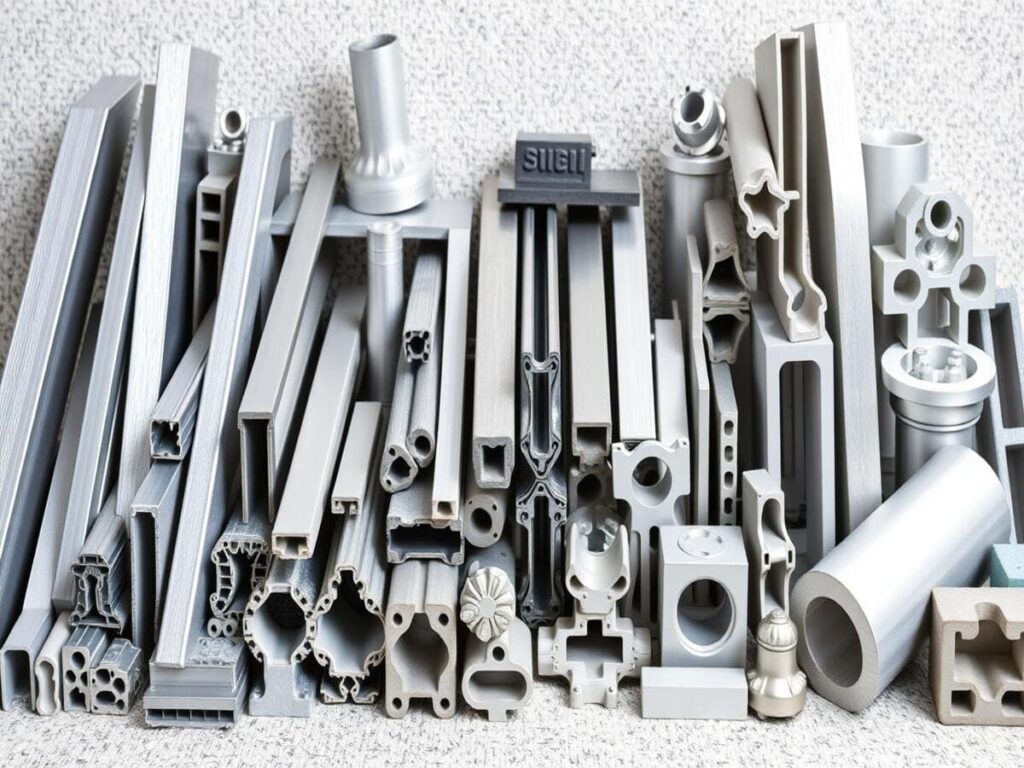
Corrosion Resistance: A Secret Advantage for Long Life
One of the standout properties of light weight aluminum is its extraordinary deterioration resistance, which significantly contributes to the long life of parts made from this metal. This fundamental capability to withstand oxidation and deterioration permits aluminum shop components to perform dependably in different industrial settings, consisting of those revealed to wetness, chemicals, and severe temperature levels. Unlike other metals that might catch corrosion or rust with time, light weight aluminum forms a safety oxide layer that guards it from environmental factors. This attribute not just expands the lifespan of elements however likewise lowers the need for regular maintenance or replacement. Industries such as aerospace, automobile, and aquatic particularly benefit from light weight aluminum's sturdiness, making certain that parts keep honesty and performance over long periods. Choosing light weight aluminum shop parts can lead to boosted operational performance and decreased downtime, making them a suitable choice for demanding commercial applications.
Cost-Effectiveness: Decreasing Overall Manufacturing Expenses
While many variables add to the general efficiency of manufacturing procedures, the cost-effectiveness of aluminum factory parts sticks out as a considerable advantage. Light weight aluminum's light-weight nature minimizes transportation costs and energy intake during production. Additionally, its exceptional machinability permits quicker handling times, decreasing labor expenses and improving productivity.
Moreover, light weight aluminum foundry components commonly show lower product prices contrasted to various other metals, making them an economically feasible option for manufacturers. The toughness of aluminum likewise contributes to long-term financial savings, as elements need less constant substitute and maintenance.
The recyclability of aluminum can lead to lowered waste disposal prices and advertise sustainability initiatives, further improving its allure. By integrating light weight aluminum shop parts into their procedures, organizations can achieve substantial reductions in overall manufacturing expenses, eventually leading to enhanced profit margins and competitive advantage in the commercial industry.
Versatility in Design: Tailoring Elements to Details Needs
An amazing facet of light weight aluminum foundry components is their convenience in layout, allowing manufacturers to customize elements to meet certain operational demands. This adaptability stems from aluminum's pliability and lightweight nature, enabling detailed forms and layouts that can be tailored for varied applications. Whether for vehicle, aerospace, or industrial machinery, aluminum shop components can be crafted to suit unique specs, guaranteeing ideal performance and capability.
Advanced casting strategies facilitate the manufacturing of intricate geometries that conventional products might have a hard time to achieve. This capability enables developers to fine-tune and innovate product layouts without being constrained by material restrictions. In addition, aluminum's compatibility with numerous layers and finishes better improves its style convenience, permitting for useful and visual enhancements customized to operational needs or details atmospheres. Subsequently, producers take advantage of a customized technique that satisfies both performance and layout demands, making light weight aluminum shop parts a preferred option in various commercial applications.
Enhanced Thermal Conductivity: Improving Performance
The improved thermal conductivity of aluminum shop parts greatly contributes to boosting effectiveness across numerous commercial applications. Light weight aluminum's capability to conduct warmth efficiently permits quick warmth dissipation, which is important in situations calling for temperature policy, such as in warmth exchangers and engine parts. This characteristic decreases thermal tension, extending the lifespan of components and minimizing maintenance expenses.
Furthermore, boosted thermal conductivity assists in quicker home heating and cooling cycles, maximizing energy use. Therefore, processes come to be extra effective, causing lowered functional expenses and boosted performance. Industries such as auto, aerospace, and electronic devices benefit considerably from these homes, as they need products that can hold up against and handle heat properly.
Eco-Friendly Option: Sustainability in Production
Sustainability in production has come to be an important emphasis in today's commercial landscape, and aluminum foundry components stand out as an environmentally friendly option. The use of aluminum is inherently lasting as a result of its recyclable nature; it can be reused continuously without loss of top quality. This quality notably reduces the demand for new basic materials, therefore saving natural resources.
Furthermore, the manufacturing of aluminum parts usually creates fewer greenhouse gas emissions contrasted to various other steels, making it a greener alternative for makers. The lightweight nature of light weight aluminum likewise adds to power savings in transport and application, as lighter parts require much less energy to move and operate Go Here efficiently.
Furthermore, numerous aluminum factories are increasingly taking on sustainable techniques, such as making use of sustainable energy resources and lessening waste. In general, picking light weight aluminum foundry components lines up with the growing emphasis on green manufacturing, advertising a much more sustainable commercial future.
Easy Machinability: Streamlining Manufacturing Procedures
The easy machinability of light weight aluminum shop components significantly boosts tooling efficiency in industrial applications. This feature not only reduces production time but additionally enables making use of flexible machining techniques. As an outcome, suppliers can streamline their processes while preserving top quality output.
Enhanced Tooling Effectiveness
Improved tooling effectiveness is crucial for maximizing production processes in aluminum foundries. The light-weight nature of light weight aluminum significantly adds to its machinability, enabling faster and extra specific reducing operations. This ease of machining decreases device wear and decreases the total stress on machinery, enabling longer tool life and consistent top quality in production. In addition, light weight aluminum's beneficial thermal conductivity assists in dissipating heat during machining, which can improve tool performance. The simplified setup procedures related to light weight aluminum parts result in quicker modifications and decreased downtime, thus enhancing operations. By leveraging these attributes, producers can accomplish greater efficiency degrees while preserving rigid top quality criteria in their production lines, eventually fostering much more reliable procedures within the foundry setting.
Minimized Manufacturing Time
While the machinability of aluminum greatly adds to reduced manufacturing time, its characteristics prolong beyond simple ease of construction. The light-weight nature of aluminum enables quicker handling and transportation during the manufacturing procedure, which simplifies operations. Light weight aluminum's outstanding thermal conductivity helps with much faster cooling times throughout casting and machining, speeding up the general manufacturing cycle. Its resistance to deterioration suggests less downtime for maintenance, enabling continuous production runs. In addition, the capacity to achieve limited resistances with marginal initiative results in less models and remodels, even more enhancing efficiency. Altogether, these elements position light weight aluminum as a product that not just simplifies production procedures but additionally significantly shortens preparations, making sure prompt shipment of elements in industrial applications.
Versatile Machining Techniques
Light weight aluminum's very easy machinability allows for a selection of versatile machining techniques that considerably streamline production procedures. This product can be conveniently reduced, formed, and developed using techniques such as CNC machining, milling, and turning. These methods allow producers to achieve limited resistances and detailed layouts with very little effort. Additionally, light weight aluminum's light-weight nature reduces the endure reducing tools, enabling for longer tool life and reduced maintenance prices. The ability to rapidly adapt to different designs further improves production performance, making aluminum an optimal option for industries calling for fast prototyping and customization. Overall, the series of machining choices offered for aluminum foundry components not just improves operations however also adds to cost-efficient manufacturing remedies.
Frequently Asked Concerns
Exactly How Does Aluminum Contrast to Other Metals in Factory Applications?
Aluminum is lighter and a lot more corrosion-resistant than numerous metals, making it beneficial for foundry applications. Its superb thermal conductivity and convenience of spreading additionally add to its appeal over standard materials like steel or iron.
What Industries Benefit The Majority Of From Aluminum Shop Components?
The automotive, aerospace, and electronics industries profit considerably from light weight aluminum foundry parts. Their lightweight, corrosion-resistant properties boost performance and performance, making light weight aluminum a perfect option for elements needing sturdiness and precision popular applications.
Are Light Weight Aluminum Factory Components Recyclable?
Light weight aluminum factory components are indeed recyclable. They can be thawed down and repurposed, making light weight aluminum a sustainable selection in manufacturing. Aluminum Casting Company. This recycling procedure benefits the setting by lowering waste and preserving natural deposits

Just How Do Light Weight Aluminum Foundry Parts Take Care Of Heats?
Aluminum foundry parts display exceptional thermal resistance, allowing them to withstand heats without significant deformation. Their lightweight nature find out here now and thermal conductivity additionally boost efficiency, making them ideal for demanding industrial atmospheres and applications needing warmth strength.
What Surface Area Therapies Are Available for Aluminum Factory Parts?
Aluminum factory elements can go through numerous surface area therapies, including anodizing, powder finishing, and chromate conversion. These treatments improve corrosion resistance, boost wear properties, and provide visual coatings, therefore enhancing the general performance and see it here durability of the components.
Light weight aluminum factory parts present several benefits for industrial applications. A remarkable facet of aluminum foundry components is their flexibility in layout, permitting makers to tailor components to meet certain operational requirements. aluminum casting. The boosted thermal conductivity of aluminum factory parts substantially adds to improving efficiency throughout different commercial applications. Sustainability in manufacturing has actually ended up being an important focus in today's commercial landscape, and light weight aluminum foundry parts stand out as a green choice. The simple machinability of light weight aluminum shop components significantly enhances tooling performance in industrial applications